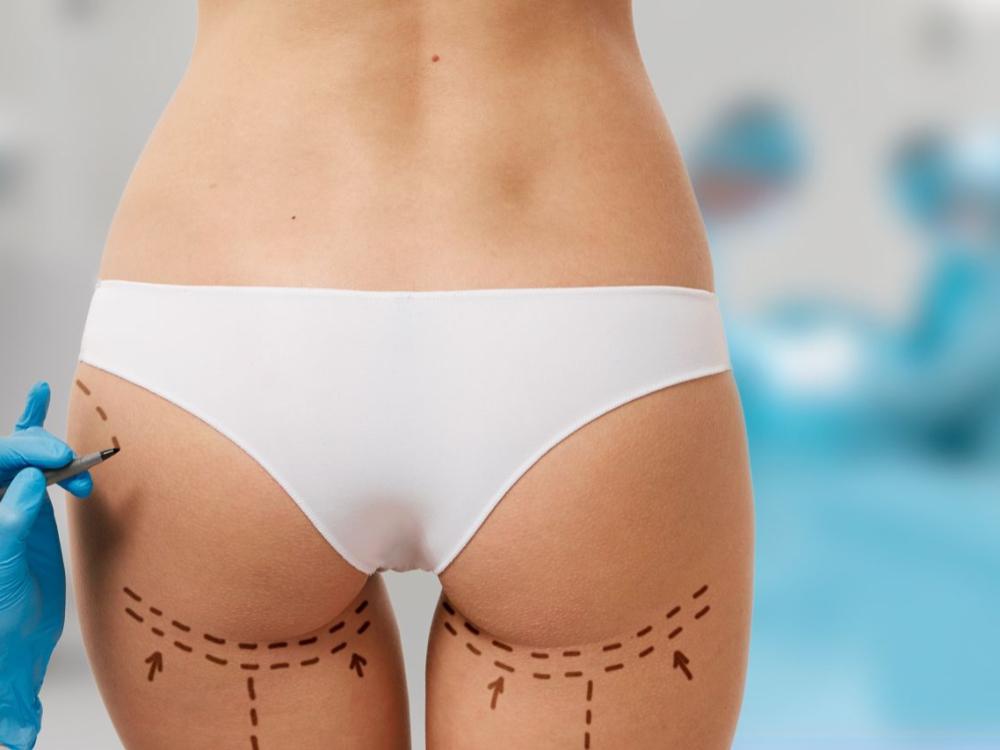
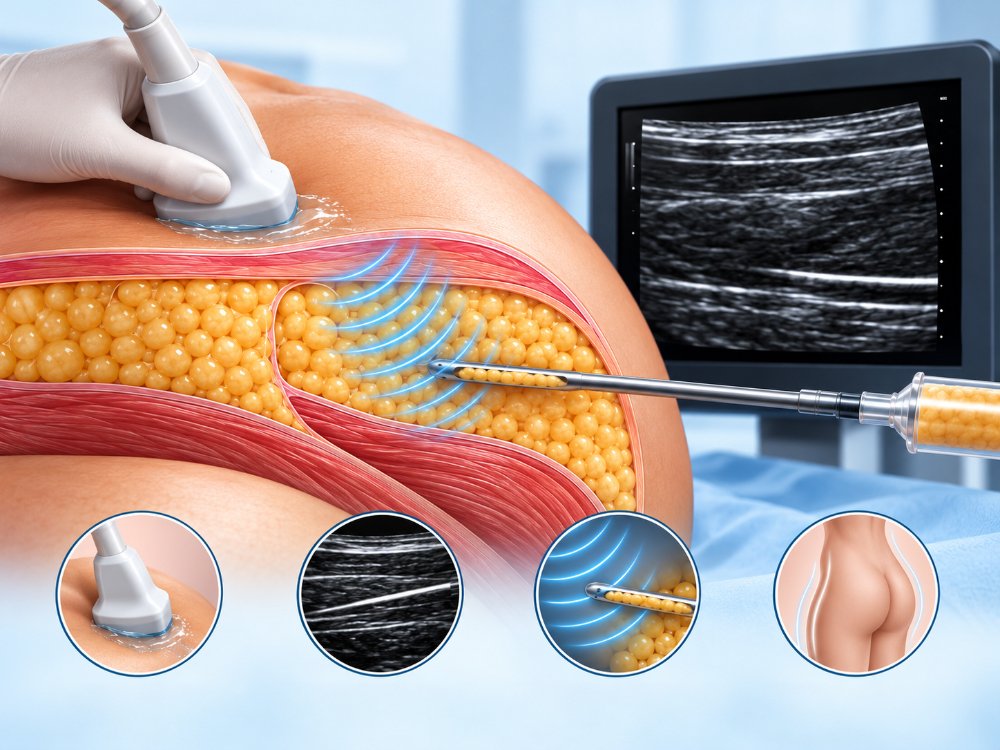
Istanbul is one of the leading global centers for aesthetic and reconstructive surgery, thanks to its medical infrastructure, well-equipped hospitals and academically experienced specialist surgeons.
The indispensable foundation of successful and satisfying results in aesthetic operations is patient safety. A healthy recovery and predictable results are possible through choosing the right specialist and applying high clinical standards in full.
Here are the 6 core safety standards to consider before planning a surgical operation:
In brief: 6 safety standards- Verify your surgeon's specialty and plan directly with them.
- Ask for a comprehensive pre-operative medical assessment.
- Have surgery in a fully equipped, accredited hospital.
- Expect transparent, pressure-free treatment planning.
- Have your recovery medically monitored and avoid early travel.
- Plan regular check-ups at 1 month, 3 months, 6 months and 1 year.
Let's Review Your Surgical Plan TogetherShare your expectations and questions, and let's talk through the right approach for you in a one-on-one consultation.Plan Your Consultation → 1. Verified Academic Qualifications and Direct Contact with Your Surgeon
The first step of surgical safety is the expertise of the surgeon who will perform the operation and their direct involvement in the process. It is critical that the pre-operative planning is carried out by the surgeon personally.
Key Criterion
Make sure your surgeon is a specialist in Plastic, Reconstructive and Aesthetic Surgery and holds national and international board memberships. The patient resources of international plastic surgery organizations such as
ISAPS can also be a helpful reference when choosing a surgeon. At
Dr. Doğuş Yalçın's clinic, every treatment plan, from the first examination to the final check-up, is personally managed and followed by
Dr. Doğuş Yalçın.
2. Comprehensive Pre-Operative Medical Assessment
Safe surgical planning requires careful patient selection. A responsible surgical approach determines through comprehensive tests whether the patient is suitable for anesthesia and the surgical process.
Key Criterion
Before surgery, the surgical team should evaluate your detailed medical history, laboratory results and anatomical structure. Whether it is
rhinoplasty or a
body contouring operation, your surgeon should confirm that your body mass index (BMI) and general health are suitable for surgery.
3. A Fully Equipped and Accredited Hospital Environment
Aesthetic surgery operations are invasive procedures performed under general anesthesia and should only be carried out in fully equipped hospital conditions.
Key Criterion
Confirm that the center where the operation will take place is a hospital with international accreditation (for example
JCI), an Intensive Care Unit (ICU) operating 24/7, experienced anesthesiologists and emergency response units. Also ask in writing for the name and the specific branch of the hospital where your surgery will take place, before you book.
Questions About the Hospital and the Process?Let's talk openly during your consultation about the hospital, the team and the follow-up plan.Request a Consultation → 4. Transparent, Pressure-Free Treatment Planning
The decision to have aesthetic surgery is one the patient should make consciously and comfortably, without feeling any pressure.
Key Criterion
Professional clinics do not influence your decision with artificial discount deadlines or rushed booking requests. During the examination, you should be offered an environment where you can comfortably discuss all your expectations, the technical details and the possible risks.
5. A Medically Monitored Recovery Period
The surgical process does not end the moment you leave the operating room. Allowing enough rest in the first phase of recovery and not traveling early minimizes the risk of complications.
Key Criterion
The post-operative follow-up plan should be followed faithfully:
- Facial and nose surgeries: A follow-up of generally 6 to 7 days is needed to check the splint/cast and monitor early tissue healing. Related procedures: Rhinoplasty, Facelift.
- Body contouring operations: Clinical monitoring of about 7 to 10 days is recommended for drain follow-up, dressing checks and for mobility to reach a safe level. Related procedures: Body Contouring, BBL, Tummy Tuck.
Let's Clarify Your Recovery Plan in AdvanceWe will plan the length of stay, follow-up appointments and the fit-to-fly process together before surgery.Plan Your Consultation → 6. Long-Term, Regular Post-Operative Follow-Up
In aesthetic surgery, the settling of tissues and the emergence of the final result take between 6 months and 1 year. Communication with the clinic needs to continue without interruption throughout this period.
Key Criterion
Choose a clinic that offers a regular check-up plan at intervals such as 1 month, 3 months, 6 months and 1 year. The course of recovery, the reduction of swelling and tissue recovery should be periodically assessed by a specialist. You can read other patients' experiences of the process on the
Patient Stories page.
Legal Framework: HealthTürkiye and the Authorization Certificate
For healthcare facilities and intermediary organizations serving patients from abroad, the Regulation on International Health Tourism and Tourist Health, published in the Official Gazette on April 26, 2025, introduced several requirements. Under the regulation, all healthcare facilities and intermediaries must obtain an authorization certificate to operate in international health tourism, and complication insurance is mandatory for surgical and interventional procedures performed in an operating room (Norton Rose Fulbright). Membership of the HealthTürkiye portal is also mandatory (Mondaq).
What Should You Ask as a Patient?- Ask for the authorization certificate details and the HealthTürkiye registration of both your surgeon and any intermediary organization you work with.
- Find out in writing what your complication insurance covers.
- Confirm the name and branch of the hospital where your surgery will take place before you book.
Frequently Asked Questions
What should I look for when choosing a hospital for aesthetic surgery in Istanbul?Confirm that the center has international accreditation, a 24/7 intensive care unit, experienced anesthesiologists and emergency response units. Ask in writing for the name and branch of the hospital where your surgery will take place.
What assessments are done before aesthetic surgery?The surgical team evaluates your detailed medical history, laboratory results and anatomical structure. Your surgeon should confirm that your body mass index (BMI) and general health are suitable for surgery.
How many days should I stay in Istanbul after aesthetic surgery?For facial and nose surgeries, a follow-up of generally 6 to 7 days is recommended to check the splint/cast and monitor early healing. For body contouring operations, clinical monitoring of about 7 to 10 days is recommended for drain follow-up and dressing checks. The exact length is set according to your surgeon's approval.
Why is the health tourism authorization certificate important?Under the Regulation on International Health Tourism and Tourist Health, healthcare facilities and intermediary organizations must obtain an authorization certificate to provide international health tourism services. Ask the organization you will be working with for its certificate details.
When should post-operative check-ups take place?The settling of tissues and the emergence of the final result take between 6 months and 1 year. For this reason, choose a clinic that offers a regular check-up plan at intervals such as 1 month, 3 months, 6 months and 1 year.
For a Safe and Informed Surgical JourneyThe first step toward natural, functional and safe aesthetic results is the right specialist assessment.Contact Dr. Doğuş Yalçın → This article is for general information only and is not a substitute for personal medical advice. Please consult a physician for an assessment specific to you. Medical disclaimer