The short answer
A BBL in Turkey can be as safe as a BBL anywhere else, but only when the same safety rules are followed: a qualified plastic surgeon, fat placed only in the layer under the skin and never in the muscle, surgery in an equipped hospital with an anesthesiologist, sensible fat volumes and careful patient selection. The country is not what makes a BBL dangerous. Shortcuts are. No BBL is risk-free, and an honest surgeon will tell you that before anything else.
"Is it safe?" is the first question almost every international patient asks me about a Brazilian Butt Lift, and it is the right one to ask first. You have probably read news stories about patients who travelled abroad for a BBL and did not come home. Those stories are real, and they should not be brushed aside.
But the full picture is more useful than fear. Over the past decade, plastic surgeons have learned exactly why BBL deaths happened and what prevents them. In this article I explain what the evidence says, what genuinely reduces risk, and how to tell a careful practice from a risky one in Istanbul, so that you can make your own informed decision.
Why the BBL Has a Dangerous Reputation
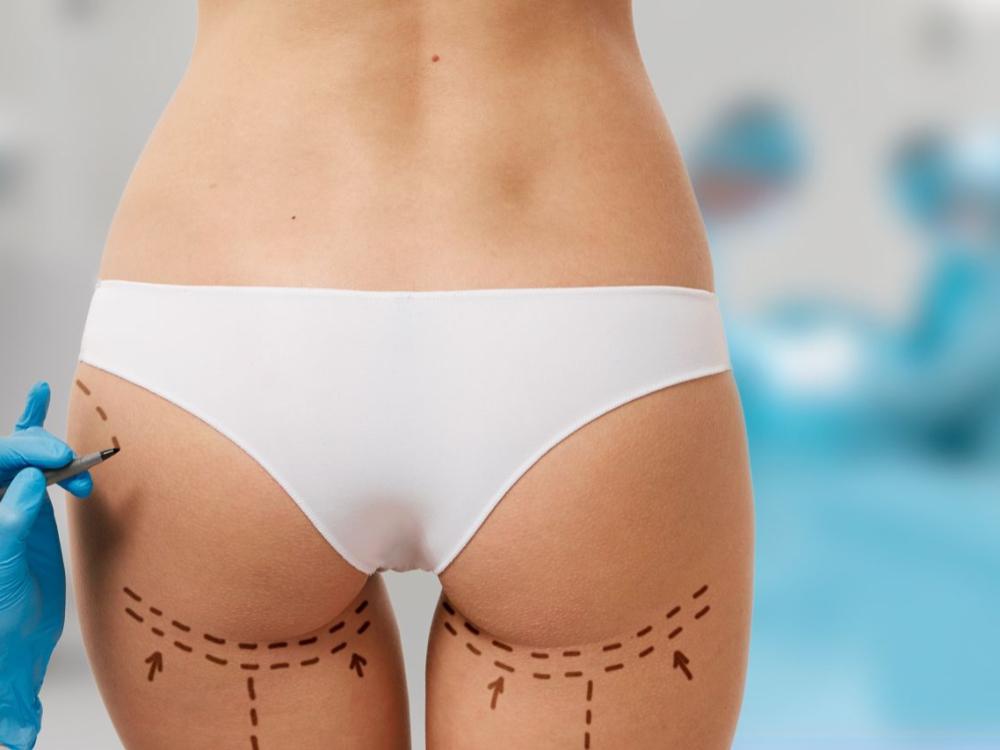
A BBL moves your own fat, harvested by liposuction, into the buttocks. The procedure itself is not new, but around the mid-2010s surgeons began to see an alarming pattern of deaths. Investigations traced most of them to a single cause: pulmonary fat embolism.
The buttock muscle sits directly over large veins. When fat is injected into or beneath the muscle, a cannula can tear one of these veins and fat can enter the bloodstream, travel to the lungs and block circulation. This can happen within minutes and is often fatal. The key insight that changed the field is that fat placed above the muscle, in the subcutaneous layer, is far away from these veins.
What the Safety Data Actually Shows
In 2017, a task force of leading plastic surgery societies surveyed surgeons worldwide and estimated BBL mortality at around 1 in 3,448, the highest of any common cosmetic procedure at the time. The societies responded with clear guidance: inject fat only into the subcutaneous layer, never into the muscle.
A follow-up survey published in 2020, after these recommendations spread, reported an estimated mortality of around 1 in 14,921. That is a substantial improvement, and it happened because technique changed, not because patients changed.
| Period | Estimated mortality | What changed |
|---|---|---|
| 2017 task force survey | About 1 in 3,448 | Intramuscular injection still common |
| 2020 follow-up survey | About 1 in 14,921 | Wide adoption of subcutaneous-only injection |
Two honest caveats. First, these are survey estimates, not a complete registry, so the true figures are uncertain. Second, even the improved number is still a risk. A BBL remains a serious operation, and it should be approached that way. Full references are listed at the end of this article.
Is the Risk About Turkey, or About Technique?
Fat does not behave differently in Istanbul than in London or Miami. The factors that decide safety are the same everywhere: who operates, where the fat is placed, where the surgery happens, how much is done in one session and how recovery is managed.
Where Turkey does carry specific risks, they come from the market, not from medicine:
- Very high-volume clinics where one surgeon may oversee several operations a day and parts of the procedure may be delegated.
- Sales-led booking, where you speak to a coordinator for weeks but meet the surgeon only on the day of surgery.
- Prices far below the market, which usually mean savings on the operating setting, the anesthesia team or aftercare.
- Too many procedures in one session to fit a short trip, which increases operating time and risk.
- Flying home too early, with no follow-up once you are back.
Every one of these can be avoided by choosing carefully. That is what the rest of this article is about.
Six Things That Make a BBL Safer
1. Fat placed only in the subcutaneous layer
This is the single most important rule. All fat should be placed above the gluteal muscle, never into or beneath it. Ask your surgeon directly which layer they inject into and how they confirm it during surgery.
2. A qualified plastic surgeon who operates personally
Your surgeon should be a board-certified plastic surgeon who performs the fat grafting themselves, not an assistant or technician. You should be able to speak to them before you travel and confirm their credentials independently.
3. An equipped hospital with an anesthesiologist
A BBL should be performed in a hospital with a qualified anesthesiologist, monitoring equipment and access to intensive care if something goes wrong. Ask for the hospital's name in writing before you book, and check it yourself.
4. Sensible fat volumes and operating time
More is not safer. Fat volumes should be planned around your anatomy and the amount your tissues can accept. Very long operations, or several major procedures combined in one session, increase the risk of complications such as blood clots.
5. Careful patient selection
A safe BBL starts before surgery: a full medical history, blood tests, an assessment of your weight and fat reserves, and a willingness to say no. Uncontrolled diabetes, clotting disorders, active smoking or very low body fat can all make a BBL unsuitable.
6. Blood clot prevention and supervised recovery
Early walking, compression garments and, when appropriate, blood-thinning medication reduce the risk of deep vein thrombosis. Staying in Istanbul until your surgeon has examined you, rather than flying out the next day, is part of the safety plan. My BBL in Turkey guide explains the full trip timeline.
Ultrasound-Guided BBL: What It Can and Can't Do
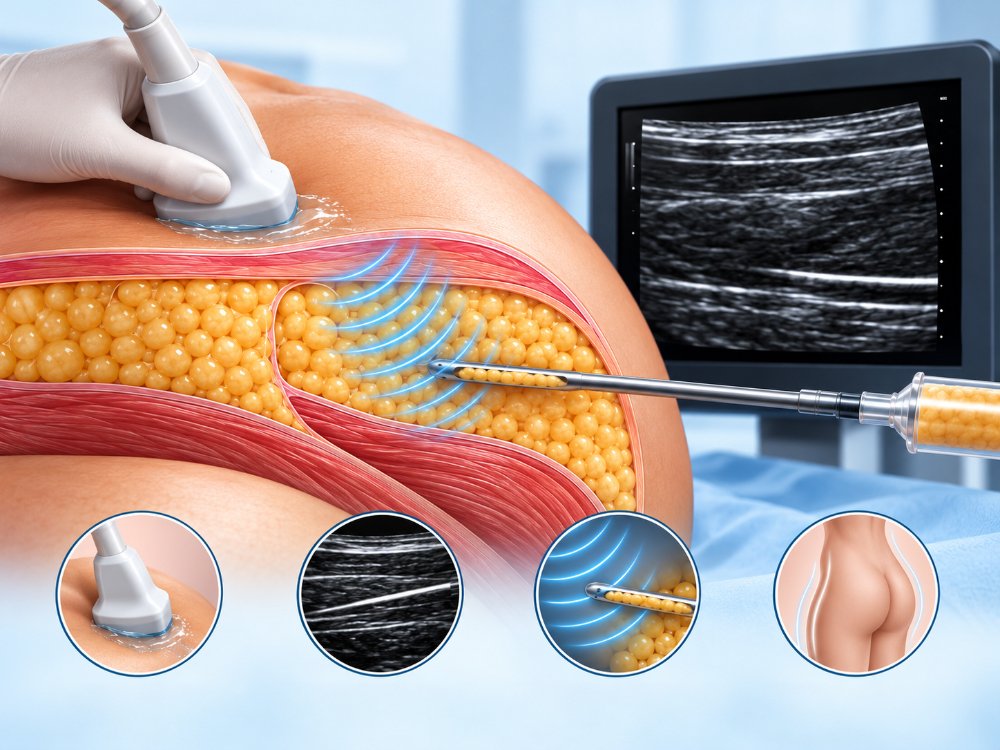
Real-time ultrasound lets the surgeon see the tip of the cannula and the layers of tissue while placing fat. It helps confirm that the fat is going into the subcutaneous layer, and some regulators, such as Florida's Board of Medicine, now require it for gluteal fat grafting.
It is important to keep it in perspective. Ultrasound is a tool that supports good technique; it does not replace it, and it does not make a BBL risk-free. A surgeon who uses ultrasound but injects large volumes in a rushed, high-volume setting is not practicing safely. Judge the whole approach, not a single feature.
Green Flags and Red Flags When Choosing a BBL in Turkey
| Green flags | Red flags |
|---|---|
| You speak with the surgeon before you travel | You only meet the surgeon on the day of surgery |
| The surgeon explains which layer fat is placed in | Vague answers about technique, or "we do it the same as everyone" |
| The hospital is named in writing | "Our clinic" with no hospital name or address |
| Risks and alternatives are discussed openly | "It's completely safe" or guaranteed results |
| You may be told a BBL is not right for you | Everyone is accepted, whatever their health or weight |
| Clear plan for recovery and follow-up at home | Fly home within 2–3 days, no follow-up arranged |
| Realistic pricing that explains what is included | A price far below the market, or pressure to book with a "today only" discount |
For a broader checklist that applies to any cosmetic surgery abroad, read Safe Surgery in Istanbul: 6 Essential Standards for International Patients.
Regulation in Turkey: What You Can Verify
Turkey regulates health tourism through the Ministry of Health. A regulation published in April 2025 tightened the rules for agencies and intermediaries that organize treatment for international patients, including authorization through the national health tourism body and registration on the HealthTürkiye system.
In practice, before you book you can:
- ask for the surgeon's full name and specialty, and check their board certification;
- ask for the hospital's name and branch in writing;
- if an agency is involved, ask for its health tourism authorization certificate;
- ask whether complication insurance is included, and exactly what it covers;
- ask who your contact will be if you have a concern after you return home.
Rules can change, so treat this as a starting point and verify details at the time of booking.
How I Approach BBL Safety
During my training in the United States, I had the opportunity to closely observe BBL procedures in Beverly Hills, and the lesson I took from that experience is simple: the aesthetic goal never comes before patient safety. My approach, which I call Ultra Safe BBL, is built on a few principles:
- fat is placed only in the subcutaneous layer, with real-time ultrasound used to check the tissue planes;
- surgery takes place in a hospital, with an anesthesia team;
- every plan is tailored to the patient's anatomy, and volumes are chosen for a natural, balanced result rather than maximum size;
- I personally assess every patient, and I decline cases where I believe the risk outweighs the benefit;
- we stay in contact after you go home, through every stage of recovery.
I am certified by the European Board (U.E.M.S.) and the Turkish Society of Plastic Surgeons. You can read more about me and see what patients say, including independent reviews on Trustpilot and RealSelf.
The Risks That Remain, Even When Everything Is Done Right
Safety measures reduce risk; they do not remove it. Before any BBL, you should understand the possible complications:
| Complication | What it means |
|---|---|
| Seroma | A collection of fluid under the skin, often in liposuction areas; may need draining |
| Infection | Usually treated with antibiotics; rarely needs further surgery |
| Fat necrosis or oil cysts | Firm lumps where grafted fat did not survive |
| Contour irregularities or asymmetry | Uneven results that may need a later touch-up |
| Deep vein thrombosis / pulmonary embolism | Blood clots in the legs that can travel to the lungs; prevention matters |
| Fat embolism | Rare but serious; the risk is greatly reduced by subcutaneous-only placement |
Seek emergency care immediately if, after surgery, you have sudden shortness of breath, chest pain, a racing heart, confusion, or pain and swelling in one leg. Then let your surgeon know.
After You Fly Home
Safety does not end when you leave the hospital. Most patients stay in Istanbul for around a week so that the surgeon can check them before they fly. On the flight, wear your compression garment, stay hydrated and walk when you can.
Once you are home, follow-up continues through photos and messages at key stages of recovery. It is also wise to let your own GP know about your surgery, so that local care is available if you need it.
Frequently Asked Questions About BBL Safety in Turkey
Is a BBL safer in the UK or US than in Turkey?
Not automatically. Safety depends on the surgeon, the technique, the hospital and the aftercare, and those vary within every country. A carefully chosen surgeon in Istanbul who follows international safety guidance can offer a safer operation than a poorly chosen one anywhere.
Is the BBL still the most dangerous cosmetic surgery?
The BBL historically had the highest mortality of common cosmetic procedures, mainly because of fat embolism from fat injected into the muscle. Survey data published after the subcutaneous-only guidance shows a large improvement, but it remains a serious operation that carries real risks.
Is an ultrasound-guided BBL safer?
Ultrasound helps the surgeon confirm that fat is placed in the subcutaneous layer, and some regulators now require it. It supports good technique but does not replace it, and it does not make a BBL risk-free.
Can I combine a BBL with a tummy tuck or breast surgery?
Sometimes, but every added procedure increases operating time and risk. Whether a combination is sensible depends on your health and the extent of each procedure, and a careful surgeon will sometimes recommend staging them.
How long should I wait before flying home after a BBL?
Most patients stay in Istanbul for around a week so the surgeon can examine them before the flight. The exact timing depends on your recovery and is confirmed by your surgeon.
How can I check a BBL surgeon in Turkey?
Ask for the surgeon's full name, specialty and board certification, the hospital's name in writing, and a consultation with the surgeon before you travel. Independent reviews and a clear explanation of technique and aftercare are also good signs.
Sources
- Mofid MM et al. Report on Mortality from Gluteal Fat Grafting: Recommendations from the ASERF Task Force. Aesthetic Surgery Journal, 2017. Figures as summarized in Modern Aesthetics, 2022
- Rios L, Gupta V. Improvement in Brazilian Butt Lift Safety With the Current Recommendations from ASERF, ASAPS, and ISAPS. Aesthetic Surgery Journal, 2020. Summarized in Dermatology Times
- Multi-Society Task Force for Safety in Gluteal Fat Grafting – Recommendations (ASPS, 2019)
- BAAPS – Gluteal lipofilling: safety and recommendations
- Major Changes to Turkey's Medical Tourism Sector: Regulatory Update (Mondaq, 2025)
This article is for general information and does not replace a medical consultation. All surgery carries risks, and results vary from person to person. Medical disclaimer.