The short answer
After major weight loss, whether through diet, bariatric surgery or weight-loss medication such as Ozempic or Mounjaro, the skin often cannot shrink back. Exercise does not remove loose skin; surgery does. A body lift removes the excess skin around the abdomen, flanks, back and buttocks in one circular operation, and it can be combined with a tummy tuck, liposuction, a breast lift or a BBL. The right time is when your weight has been stable for 3 to 6 months. Plan on about 8–10 days in Istanbul.
After losing 20, 30 or even 50 kilos, many people say the same thing: "I reached my goal, but I still don't like what I see." Their effort has paid off, but the skin of the abdomen, back and thighs has stretched for years and no longer follows the new body. This is not a failure of willpower. It is a question of skin elasticity, and it is exactly what body contouring surgery is designed to correct.
Why Loose Skin Stays After Weight Loss
Skin that has been stretched for a long time loses part of its elastic fibres. After rapid or large weight loss, it cannot tighten fully, especially on the lower abdomen, flanks, inner thighs, upper arms and breasts. Exercise builds muscle under the skin, but it cannot remove the skin itself. Creams and non-surgical devices can improve mild laxity, but they do not replace surgery when there is a true overhang of skin.
A body lift is most often right for people who have lost a lot of weight: after bariatric surgery such as a gastric sleeve or bypass, after weight loss with GLP-1 medicines, and for mothers after several pregnancies.
Which Procedure for Which Area?
Every body is different, so the plan starts with where the excess skin is. The table below shows the most common options.
| Area | Procedure | What it does |
|---|---|---|
| Abdomen only | Tummy tuck (abdominoplasty) | Removes the skin overhang of the lower abdomen and repairs the abdominal wall |
| Abdomen, flanks, back and buttocks | Lower body lift (360° body lift) | Removes excess skin all around the waist and lifts the buttocks and outer thighs |
| Breasts | Breast lift, with or without implants | Raises the breast and nipple and removes loose skin |
| Remaining fat pockets | Liposuction | Refines areas where fat remains; it does not remove loose skin |
| Flat buttocks after weight loss | Ultra Safe BBL | Restores volume with your own fat, if enough fat is available |
| Upper arms and inner thighs | Arm lift and thigh lift | Removes hanging skin on the arms and thighs |
Many patients ask for "liposuction to remove the belly". When the problem is loose skin rather than fat, liposuction alone can make it look worse. This is why the first examination is about skin quality as much as fat.
When Is the Right Time?
The best results come when your weight has stopped changing. I ask patients to keep a stable weight for 3 to 6 months before surgery. If you lose more weight after a body lift, new laxity can appear; if you regain it, the result can be distorted. Being close to your target weight also lowers the risk of wound healing problems.
- Your weight has been stable for 3 to 6 months.
- You are in good general health, and conditions such as diabetes or high blood pressure are under control.
- You do not smoke, or you can stop before and after surgery.
- After bariatric surgery, your blood values and vitamins are checked with a detailed blood test before surgery.
After rapid or major weight loss, iron-deficiency anaemia, low levels of other trace elements and electrolyte imbalances are common. Because they can affect surgery and healing, I always ask for detailed blood tests beforehand.
Ozempic, Mounjaro and Surgery
More and more of my patients have lost weight with GLP-1 medication such as semaglutide (Ozempic, Wegovy) or tirzepatide (Mounjaro). These medicines slow the emptying of the stomach, which matters for anaesthesia. In October 2024, the American Society of Anesthesiologists and four other societies published joint guidance on how to manage these medicines around surgery. In my practice, I ask patients to stop these medicines and any supplements one month before surgery, have their blood sugar tested and share details of diabetes or any other long-term condition. Always tell us if you use or have used these medicines.
One Operation or Several?
Patients often want everything done in one trip. Combining procedures is sometimes possible and shortens the total recovery, but safety decides, not convenience. The total length of the operation, your health and the amount of skin to be removed are the limits. A body lift alone takes 3 to 6 hours, sometimes longer. I do combine it with an arm lift or a thigh lift in the same session for some patients, but when the operation would become too long, I prefer to split the procedures into two stages.
Recovery and Your Stay in Istanbul
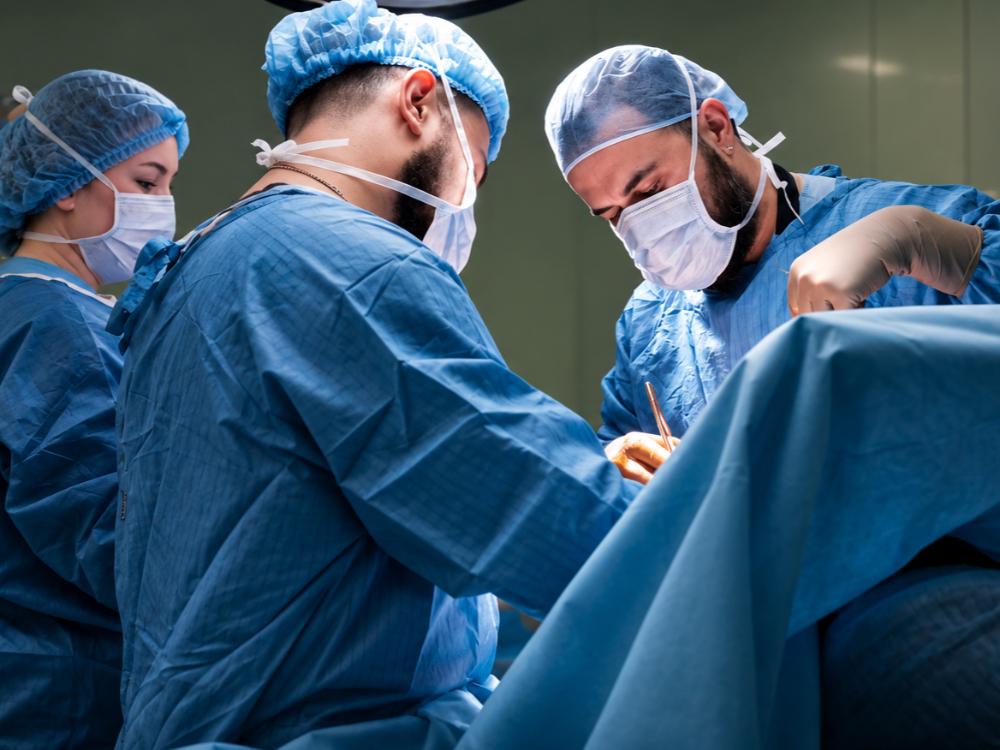
Surgery is performed under general anaesthesia at Acıbadem Kartal Hospital. A typical recovery looks like this:
| When | What happens |
|---|---|
| Day of surgery | At least 3 nights in hospital |
| First days | Drains are removed on day 3–4. The wound is closed in several layers with dissolvable stitches placed on the inside, so there are no stitches to remove. |
| Before you fly | Check-up with me; plan on about 8–10 days in Istanbul in total, arriving 1–2 days before surgery |
| First weeks | Compression garment for 6 weeks, day and night |
| Back to desk work | 2 weeks |
| Exercise | Light exercise after 6 weeks, heavy exercise after 3 months |
| Result | The shape starts to settle at 3 months; the final result shows at 12 months |
Walking starts early to keep the blood moving. You will be asked to avoid bending fully and lifting heavy objects for the first weeks, so that the scars are not under tension.
Scars and Risks
A body lift trades loose skin for a scar. The scar sits low, along the line of your underwear or swimwear. It is red at first and starts to fade after about 6 months, becoming a faint line over time. As with any major operation, there are risks: fluid collection (seroma), wound healing problems, especially where the scars meet, infection, bleeding, blood clots (deep vein thrombosis) and asymmetry. Careful patient selection, a stable weight, not smoking and following the aftercare plan reduce these risks, but no surgery is risk-free.
What Affects the Cost?
The price depends on how many areas are treated, how much skin is removed, whether procedures are combined in one operation and the length of your hospital stay. You receive a written quote after an online assessment of your photos; the quote is confirmed at your examination in Istanbul and can change depending on your body and the plan.
Frequently Asked Questions
Can exercise tighten loose skin after weight loss?
Exercise builds muscle under the skin, but it cannot remove skin that has lost its elasticity. When there is a true overhang of skin, surgery is the only way to remove it.
What is the difference between a tummy tuck and a body lift?
A tummy tuck treats the front of the abdomen. A body lift goes all the way around the waist and also treats the flanks, back and buttocks.
How long should my weight be stable before surgery?
3 to 6 months. Surgery on a weight that is still changing gives a less predictable result.
Can I have a body lift if I took Ozempic or Mounjaro?
Yes, many patients do. In my practice, these medicines and any supplements are stopped one month before surgery, and we check your blood sugar. Tell us which medicine you take and the dose.
How long do I need to stay in Istanbul?
Usually 8–10 days in total, arriving 1–2 days before surgery. The date you can fly home is confirmed at your check-up.
Sources
This article is for information only and does not replace a medical consultation. All surgery carries risks and results vary from person to person. Medical disclaimer.